Cybercab WILL Have a Steering Wheel (It's not What you Think)

By
Dan Capelle

Recent announcements from Tesla confirm Cybercab production begins in April 2026. The vehicle is positioned as purpose-built for autonomy, sparking debate over its steering wheel absence. Everyone has been arguing about whether or not it will have one.
To clarify, we contacted the National Highway Traffic Safety Administration (NHTSA), specifically the Automation Exemptions Division. Interestingly, the representative was unfamiliar with Cybercab at all, but had heard of FSD. Yikes.
Still we learned a lot from speaking with them. Ultimately, we DO think Tesla will release a steering wheel version of the Cybercab, but it might not be for the reasons you think.
Legal Framework for Cybercab's Design
There are a number of design elements in the Cybercab that are unconventional. The first question we had is - will these prevent Tesla from large scale manufacturing?
| Cybercab Design | Legal in U.S. Without Exemption? | Explanation |
|---|---|---|
| No steering wheel | ✅ Legal | ADS-only vehicles require no manual steering per updated FMVSS. |
| No pedals | ✅ Legal | Same ADS-only provisions eliminate brake/accelerator needs. |
| No rear window (solid bulkhead) | ✅ Legal | Rear camera with interior display meets visibility standards (FMVSS 111). |
| Scissor/gull-wing doors | ✅ Legal | Door style is irrelevant if crash standards are satisfied. |
| No side mirrors (camera-only) | ❌ Not legal | FMVSS 111 mandates physical mirrors in U.S./Canada without Part 555 exemption. |
| Weird controls (no stalks) | ✅ Legal | Touchscreen interfaces suffice for ADS-only operation. |
Only camera-based side mirrors pose an immediate barrier.
For context, Zoox Inc. filed a Part 555 exemption application on September 25, 2025, seeking relief from FMVSS 111 (rear visibility) and others for its ADS-equipped robotaxi, highlighting the process's applicability to similar designs.
Barriers to a Part 555 Exemption for Mirrors
Tesla could pursue a Part 555 exemption for mirrors, but NHTSA guidelines make it impractical:
- Approval requires approximately one year, overlapping Cybercab's April 2026 start.
- Annual production caps at 2,500 units—insufficient for Tesla's robotaxi ambitions.
- Requests are public; no filing appears for Cybercab.
This suggests Tesla prioritizes a compliant design from launch, likely incorporating physical mirrors. An ADS-only configuration without a steering wheel remains viable under current rules.
Rationale for a Steering Wheel Variant
Despite FMVSS flexibility, we still believe Tesla will produce a steering wheel-equipped Cybercab. Factors include market dynamics, manufacturing efficiency, and strategic timing.
Market Demand
No two-seater EV dominates globally. Over 80% of rides involve two or fewer occupants. In Europe and Asia (e.g., Taiwan, JOWUA's base), compact models prevail, necessitating a drivable variant to boost sales. There is a demand for this type of vehicle.
Platform Sharing and Manufacturing Efficiency
Cybercab employs steer-by-wire, akin to Cybertruck, with pre-integrated actuators, motors, sensors, and electronics. Adding a wheel involves minimal steps: install column, bolt, connect harness—under 5 minutes per vehicle on the line.
Automakers routinely share components for cost optimization. Toyota and Lexus exemplify this:
- Steering wheels: Lexus RX, Toyota Highlander, and Crown use identical cores; Lexus adds premium finishes.
- Switchgear: Window, mirror, and seat controls are interchangeable across trims.
- Chassis: Lexus ES and Toyota Camry share suspension, and wiring.
- Powertrain: Lexus ES250 adopts Camry's 2.5L engine and 8-speed transmission.
Tesla themselves do this, with Model Y now in several different variants, all based on the same production line.
For Cybercab, this enables variants from a single platform at near-zero marginal cost.
The Osborne Effect
Early disclosure risks the Osborne effect, where premature announcements erode current sales. A steered Cybercab reveal could deter Model 3/Y purchases. A Tesla board member once alluded to this variant; Elon Musk swiftly redirected focus to immediate revenue.
Conclusion
Tesla will introduce a Cybercab with a steering wheel—not due to NHTSA mandates, but for manufacturing simplicity, global demand, and sales protection. The autonomous "egg" arrives first, with a drivable counterpart following. You heard it here first (or second).
Read more
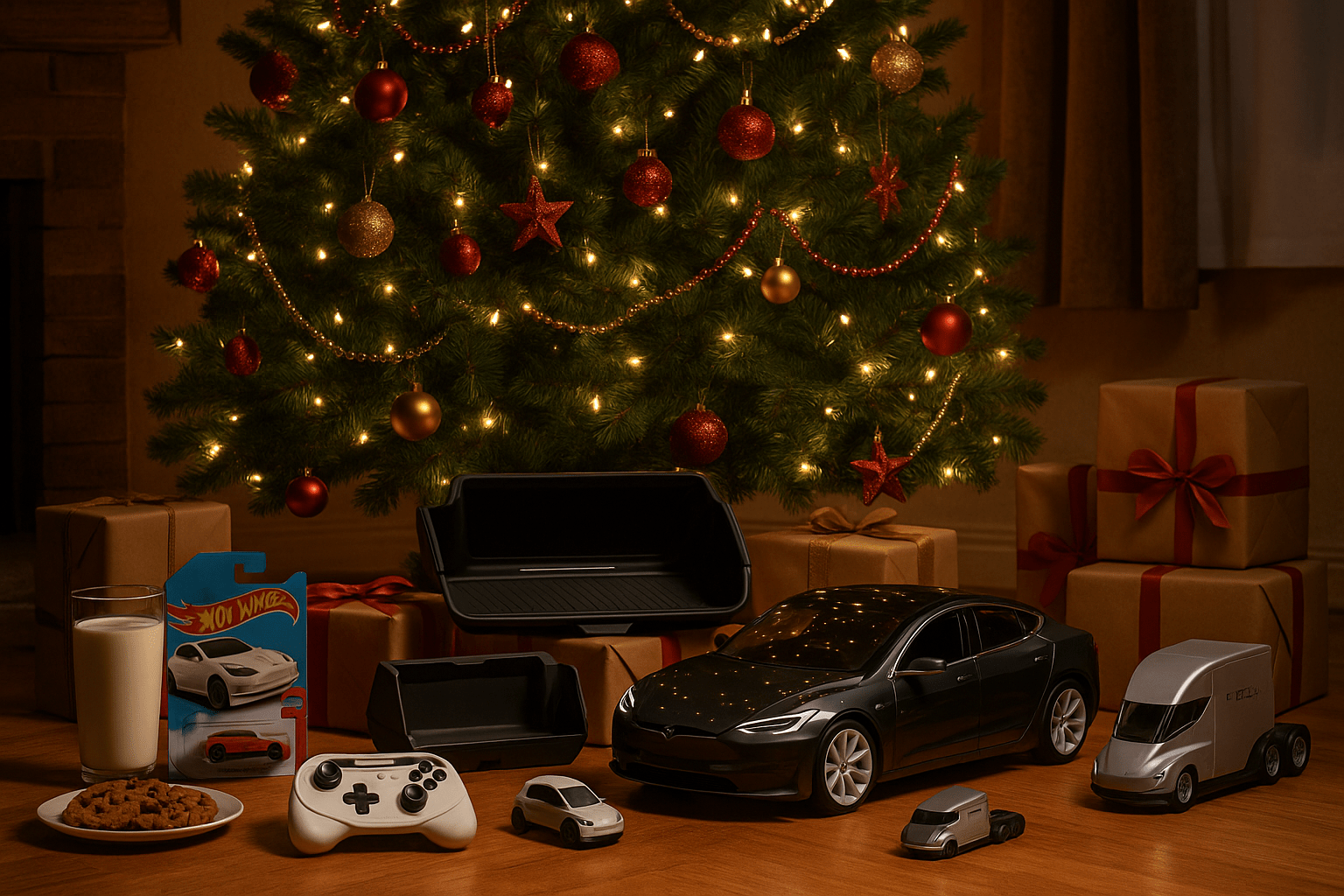
다시 그 시기가 왔습니다—반짝이는 불빛, 축제 음악, 그리고 완벽한 선물을 고르는 스트레스. 하지만 테슬라 소유자를 위해 (또는 자신을 위해) 쇼핑 중이라면, 저희가 도와드리겠습니다
더 알아보기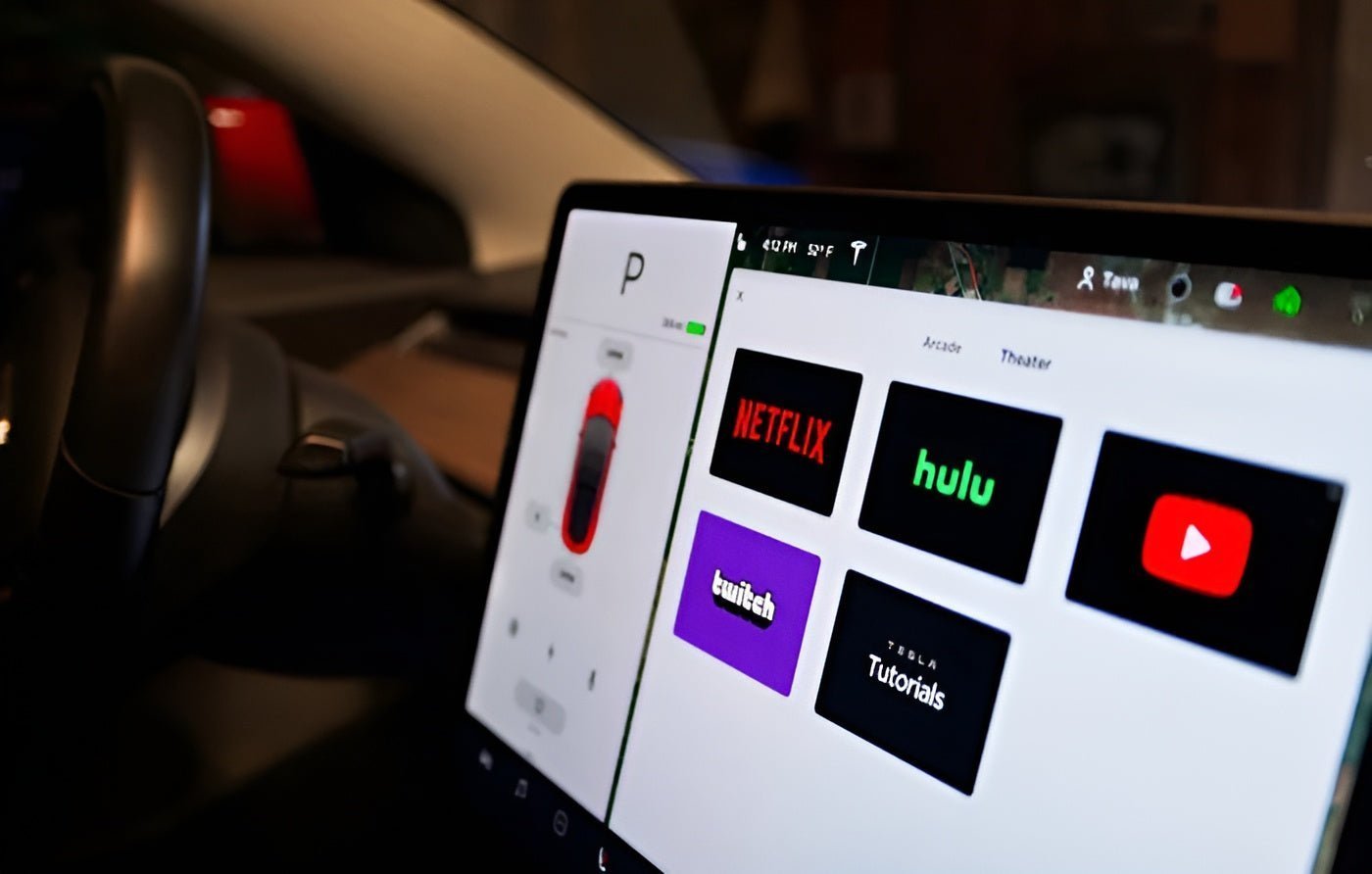
테슬라는 왜 매달 9,900원을 청구할까요? 바로 프리미엄 커넥티비티 때문입니다하지만 프리미엄 커넥티비티는 정말 모든 테슬라 오너들에게 가치가 있는 선택일까요?월 9,900원을 지불하고 프리미엄 커넥티비티를 구독할 만한 가치가 있는지 알아보겠습니다.2025년에 테슬라 프리미엄 커넥티비티는 구독할 가치가 있을까요? (미리보기)Yes – 이 중에 하나라고...
더 알아보기
댓글 남기기
이 사이트는 hCaptcha에 의해 보호되며, hCaptcha의 개인 정보 보호 정책 과 서비스 약관 이 적용됩니다.